From research project to specialised product for sainfoin cultivation: a bacterium isolated at the Julius Kühn Institute (JKI) is turned into a commercial inoculum by a German seed company.
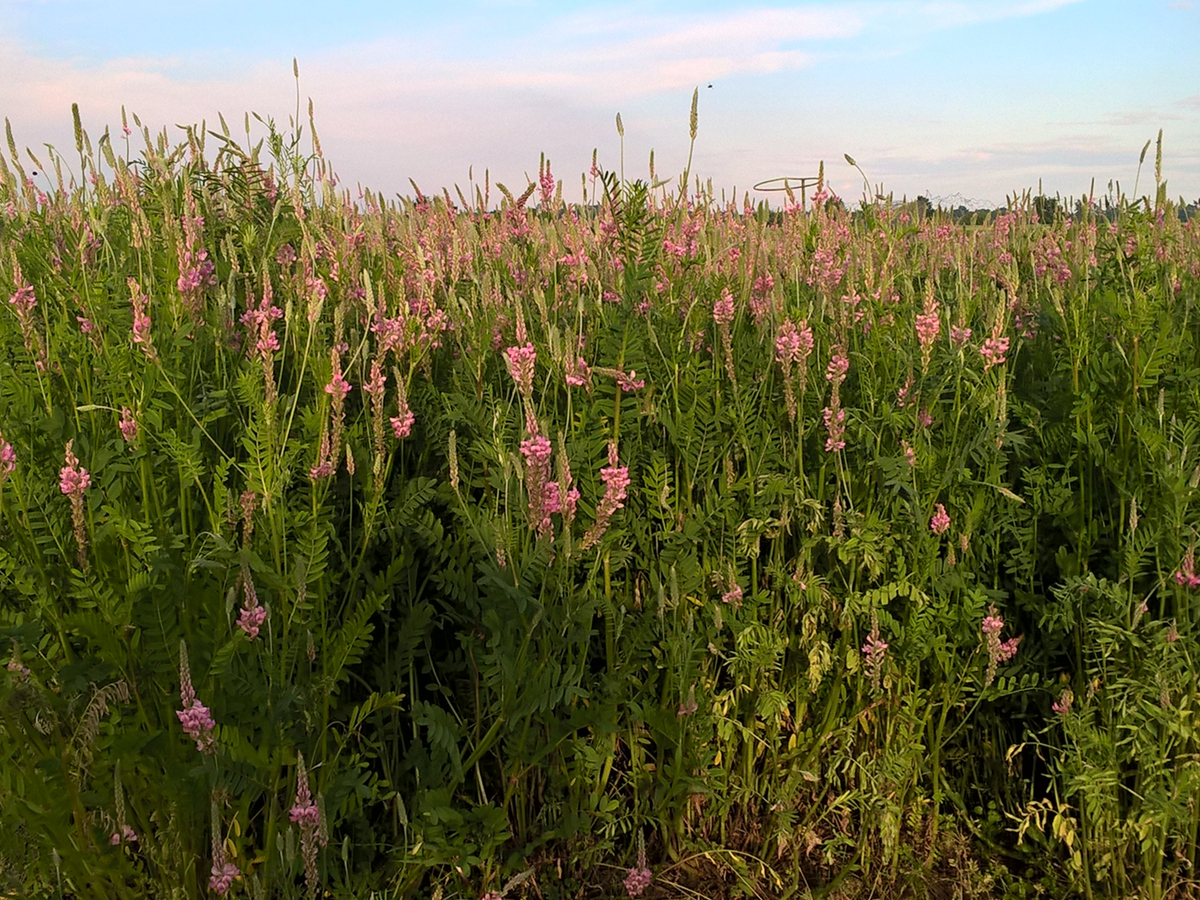
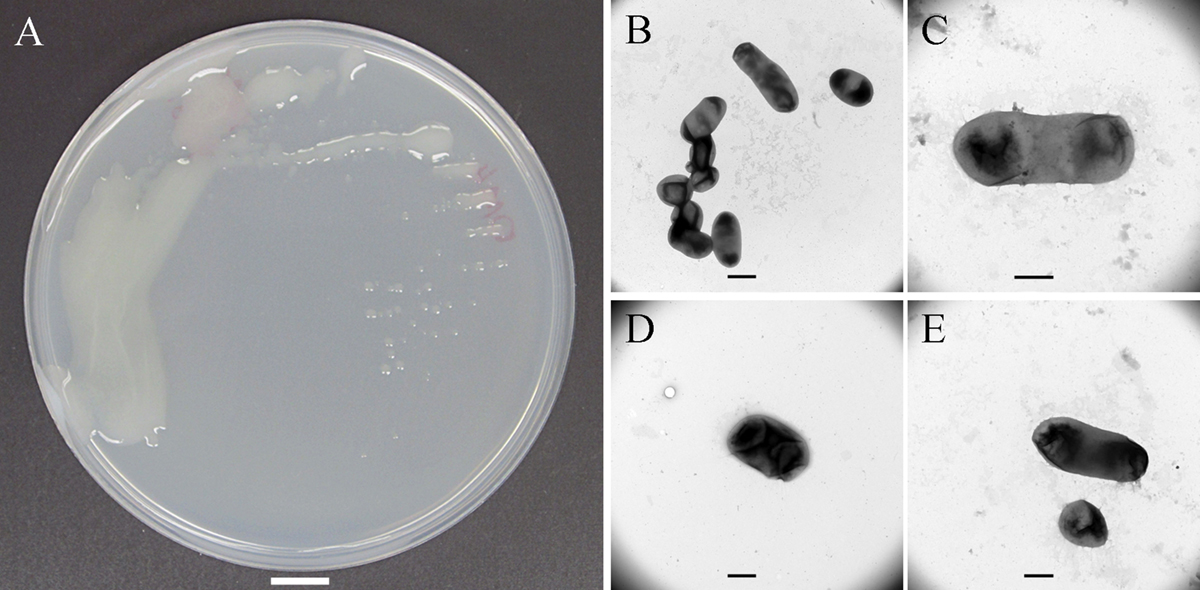
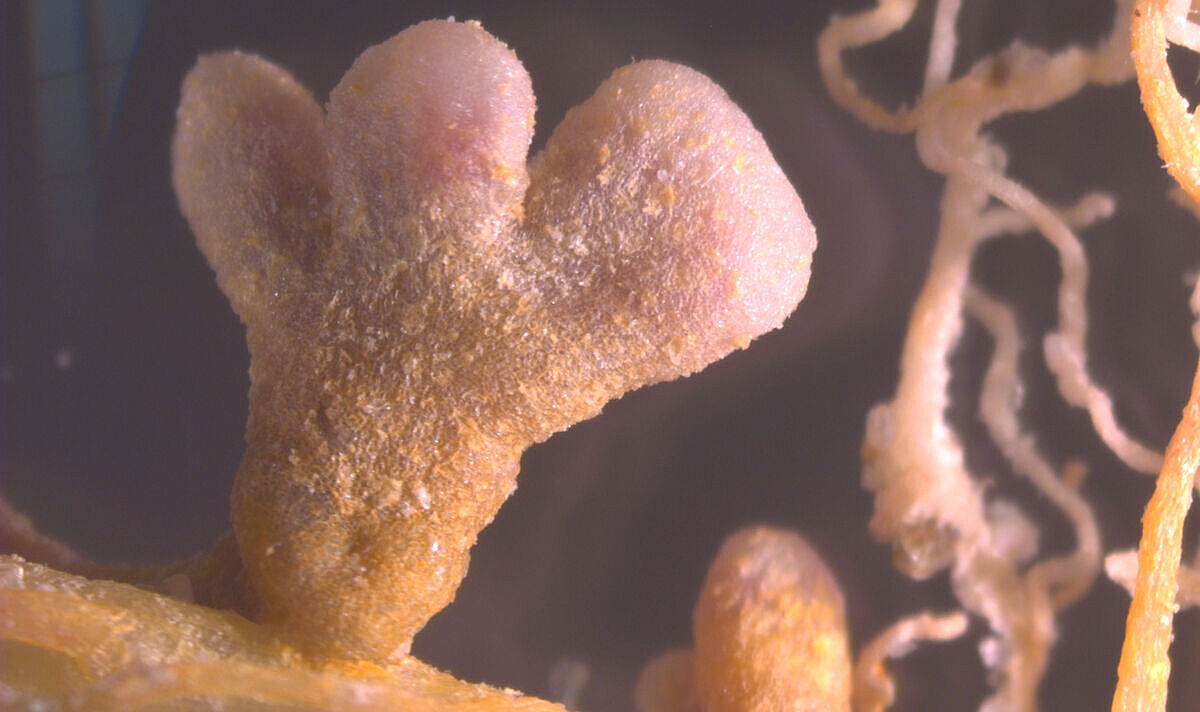
(Braunschweig) From project to product – such success stories are rare in basic agricultural research. In this case, researchers at the Julius Kühn Institute (JKI) in Braunschweig discovered a new species of nodule-forming bacteria at the roots of sainfoin, which gives the forage crop a growth boost by supplying it with nitrogen. Legumes – that is, protein crops – are actually known for forming a symbiotic relationship with nodule forming bacteria in their root zone, which help them with their nitrogen supply. However, this does not work equally well in all soils or for all legume species. For example, soy and lupins do not thrive in all locations and sometimes need a bit of a helping hand to grow productively. The same is true for sainfoin (Onobrychis viccifolia), which is why this forage legume “plays only a supporting role” in German crop rotations. This is now about to change, thanks to the bacterial strain Mesorhizobium onobrychidis OM4, which was isolated at the JKI (see the scientific publication https://doi.org/10.1128/spectrum.01099-22).
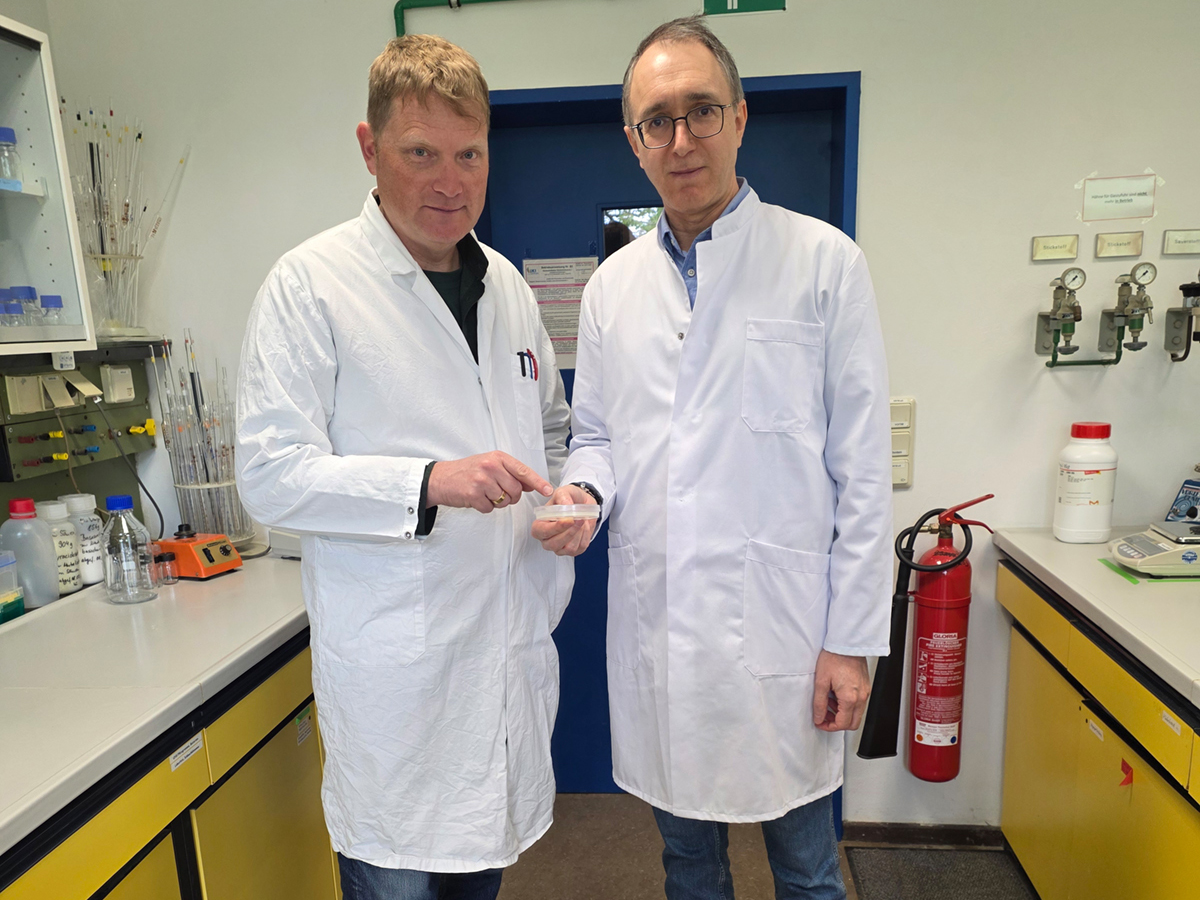
“Although sainfoin has many beneficial properties for animal nutrition and within the agricultural ecosystem, it is hardly grown at all in Germany anymore,” explains Dr Torsten Thünen of the Julius Kühn Institute. The main reasons for this are the forage crop’s high site requirements, its sensitive early growth stage and its poor competitiveness in mixed crops. “Many of these weaknesses can be attributed to an unreliable nitrogen supply provided by the nodule bacteria – the rhizobia – associated with the plant’s roots, as described in the literature,” explains the crop production expert from the JKI.