Zum Inhalt springen
Zur Hauptnavigation springen
Gehe zur Startseite des Lebensgrundlagen für morgen sichern.
Suche öffnen
Gehe zur Startseite des Lebensgrundlagen für morgen sichern.
Lebensgrundlagen für morgen sichern

Navigation

Forest Protection Institute strongly represented at CBC 2026 in Leipzig


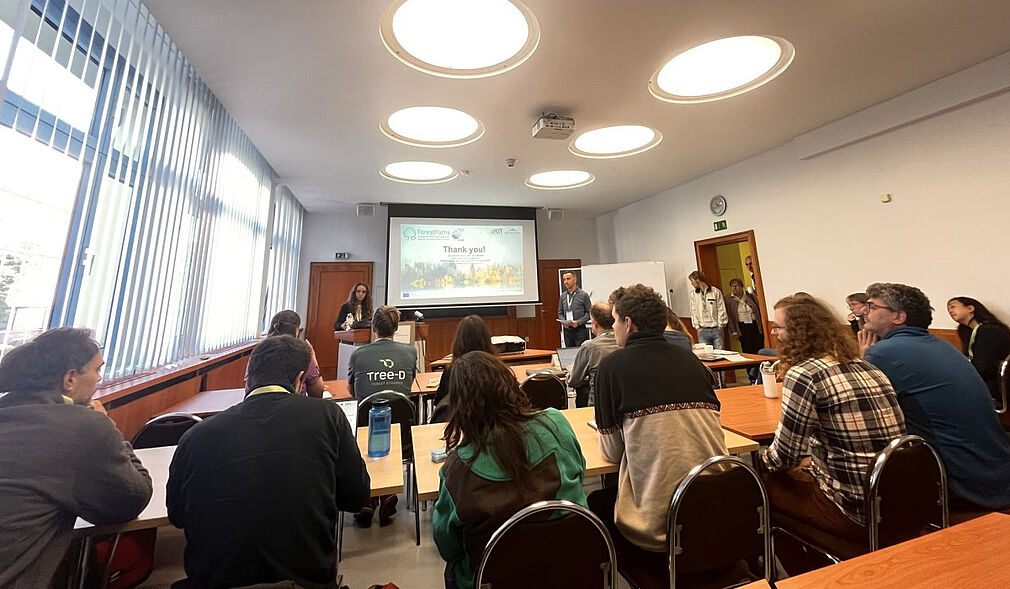
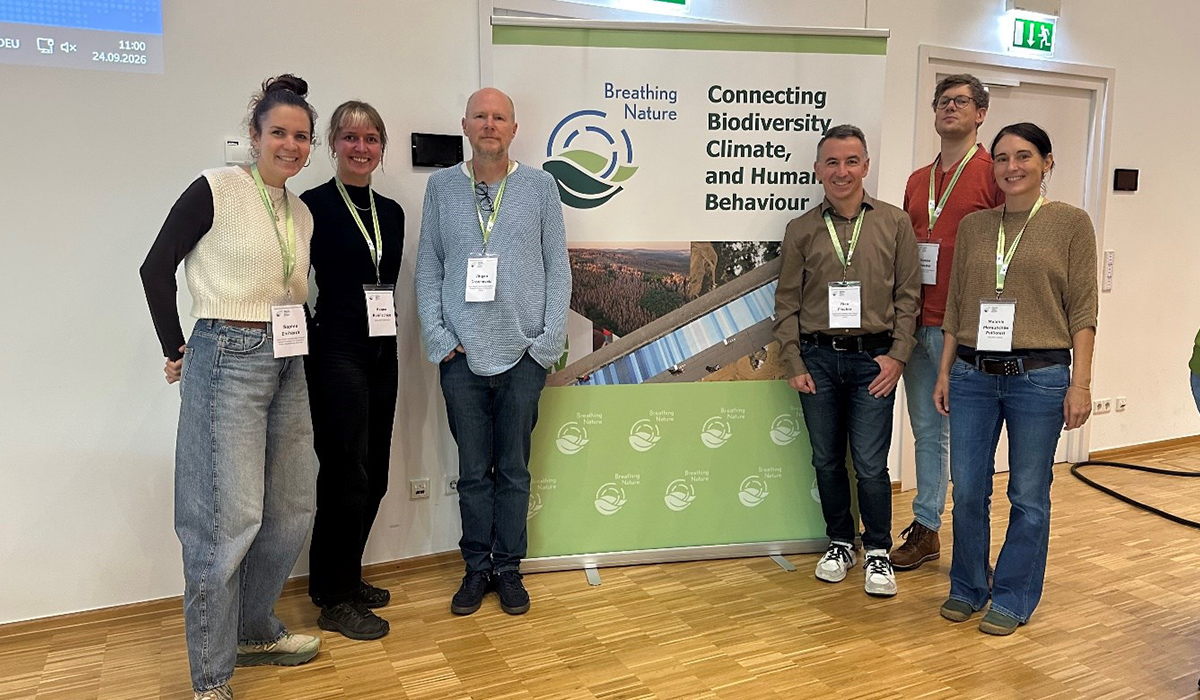
In late September, around 270 scientists from 30 countries met in Leipzig for a conference titled "Connecting Biodiversity, Climate and Human Behaviour" (https://cbc-conference.org/). The JKI Institute for Forest Protection had been involved in organising the conference for over a year. The institute helped to shape the programme by hosting a forest and a soil session, as well as delivering several talks and presenting posters.

Rico Fischer (JKI Institute for Forest Protection) organised the 'Future Forests for People' session together with Nadja Rüger (iDiv) and Hans Verbeeck (Ghent University). The session explored how forests will change under future environmental and societal conditions and the implications for the benefits we expect from them, including climate regulation, biodiversity, timber supply and recreation. Remote sensing and modelling were central to the discussion.
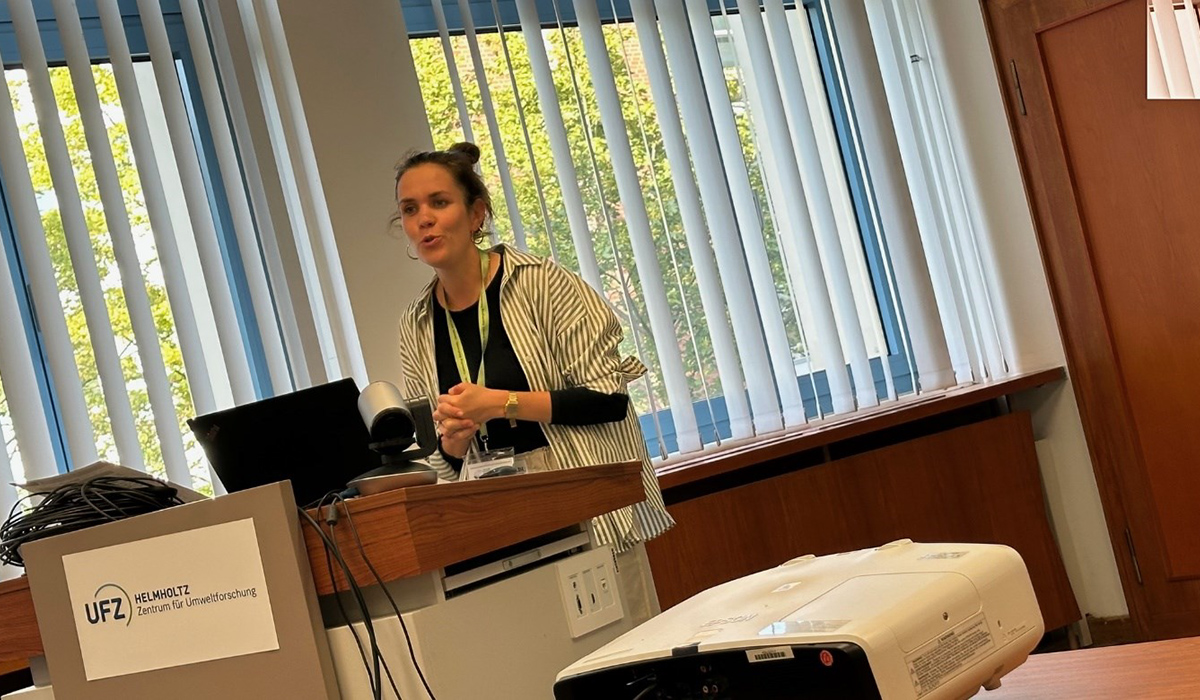
The session "Sustainable Land-use for Climate Smart Systems", convened by Melanie Maraun (JKI Institute for Forest Protection) and Nico Eisenhauer (iDiv, Leipzig University), was very well received. It addressed climate-adapted land and forest use and the role of soils, discussing how soil biodiversity and plant–soil interactions contribute to land use that is both productive and climate-resilient.

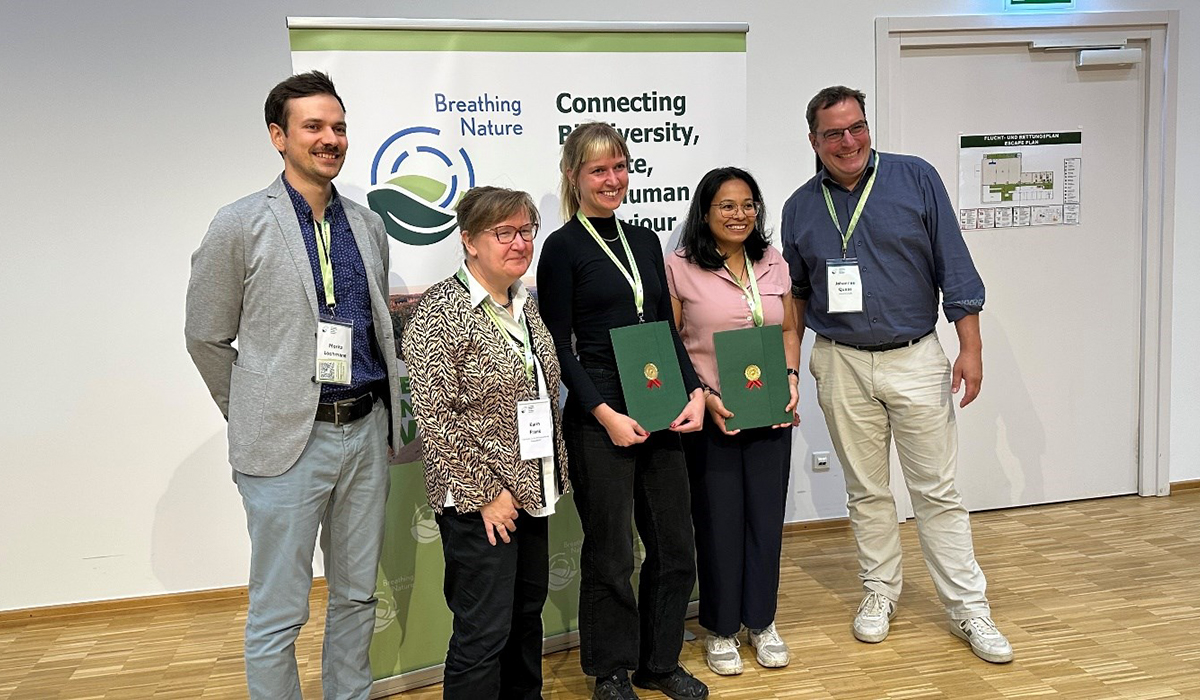
Sophie Ehrhardt (JKI-WS) moderated a Belmont Forum workshop on "Developing and supporting long-term, transdisciplinary biodiversity monitoring". Jürgen Groeneveld and Gunnar Dressler (both JKI-WS) presented their work on current forest modelling research. Hanna Komischke (JKI-WS) received a poster award for her poster "Future forest development in Germany and the role of increasing biotic disturbances" - congratulations!

Overall, the conference demonstrated the close intertwining of forest research, modelling, remote sensing and societal issues. In particular, the ambition to examine climate change and biodiversity from a perspective that includes human behaviour, social dynamics and options for action stood out. The consistent exchange between the natural and social sciences was a key feature of the conference, emphasising the importance of interdisciplinary approaches to researching the complex challenges of climate change. The Institute for Forest Protection will continue to be active in this field through its work on biotic disturbances, digital twins and co-creation.

Veröffentlicht am