
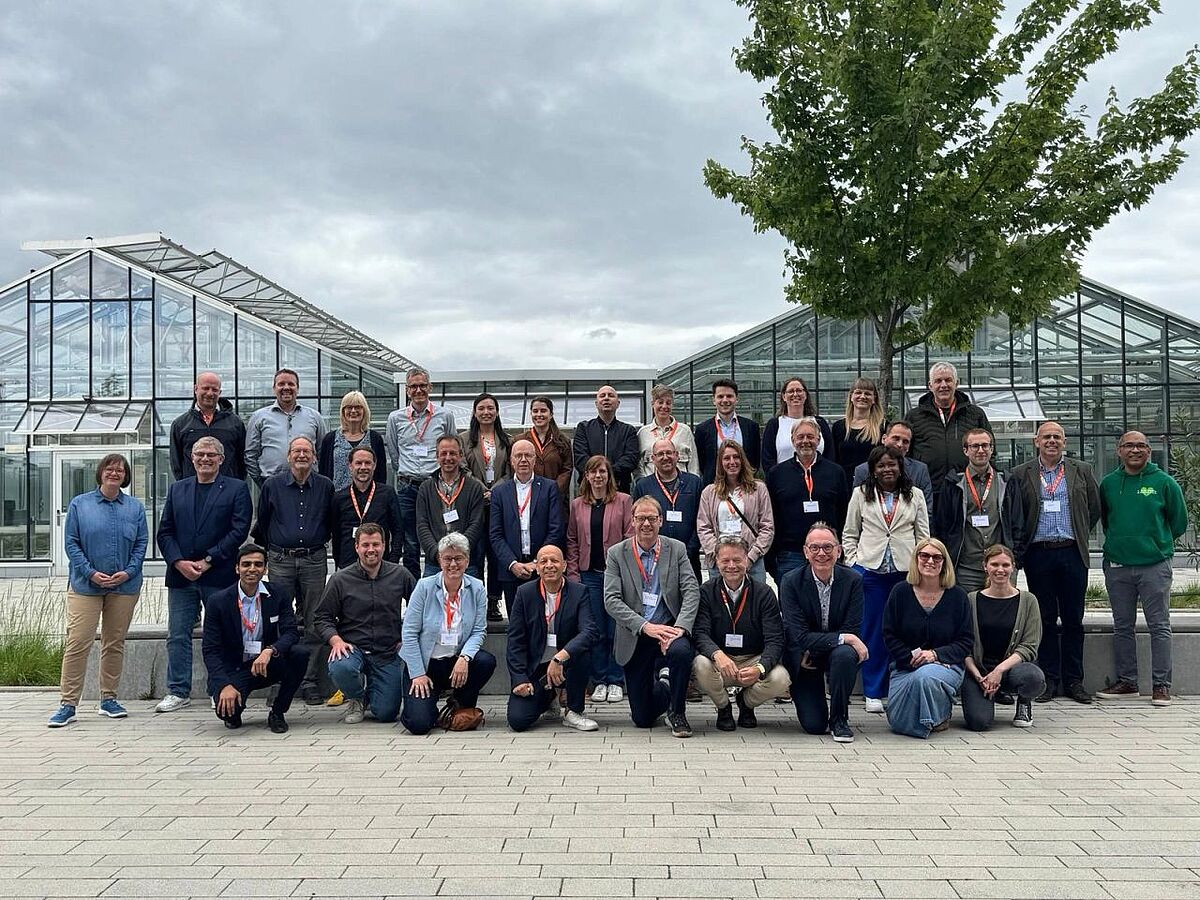
From May 17 to 20, 2026, the “Innovation Mission Germany and Switzerland: Accelerating Innovations in Biocontrol” took place. A 25-member Dutch delegation consisting of representatives from agricultural practice, industry, research, and policy visited various locations in Switzerland and Germany to discuss innovative approaches in biological plant protection and their implementation in sustainable cropping systems. The Institute for Biological Control was also involved in developing the program. The initiative for this information visit originated from the Embassy of the Netherlands in Berlin and was based on the trilateral exchange on biological control between Germany, the Netherlands, and Switzerland, which was established for the first time in 2025. On behalf of the Institute for Biological Plant Protection, Dr Maximilian Paluch participated in the information visit.
Innovation Mission “Accelerating Innovations in Biocontrol” at the JKI – Institute for Biological Control
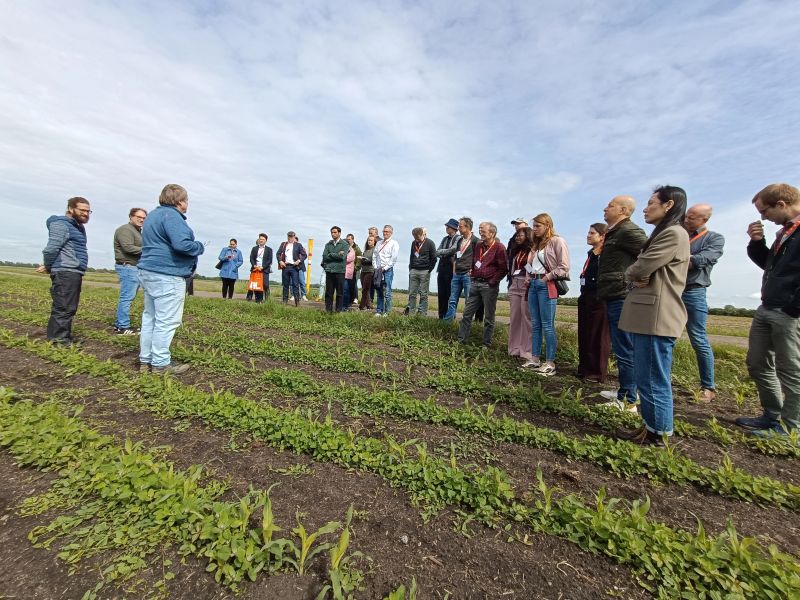
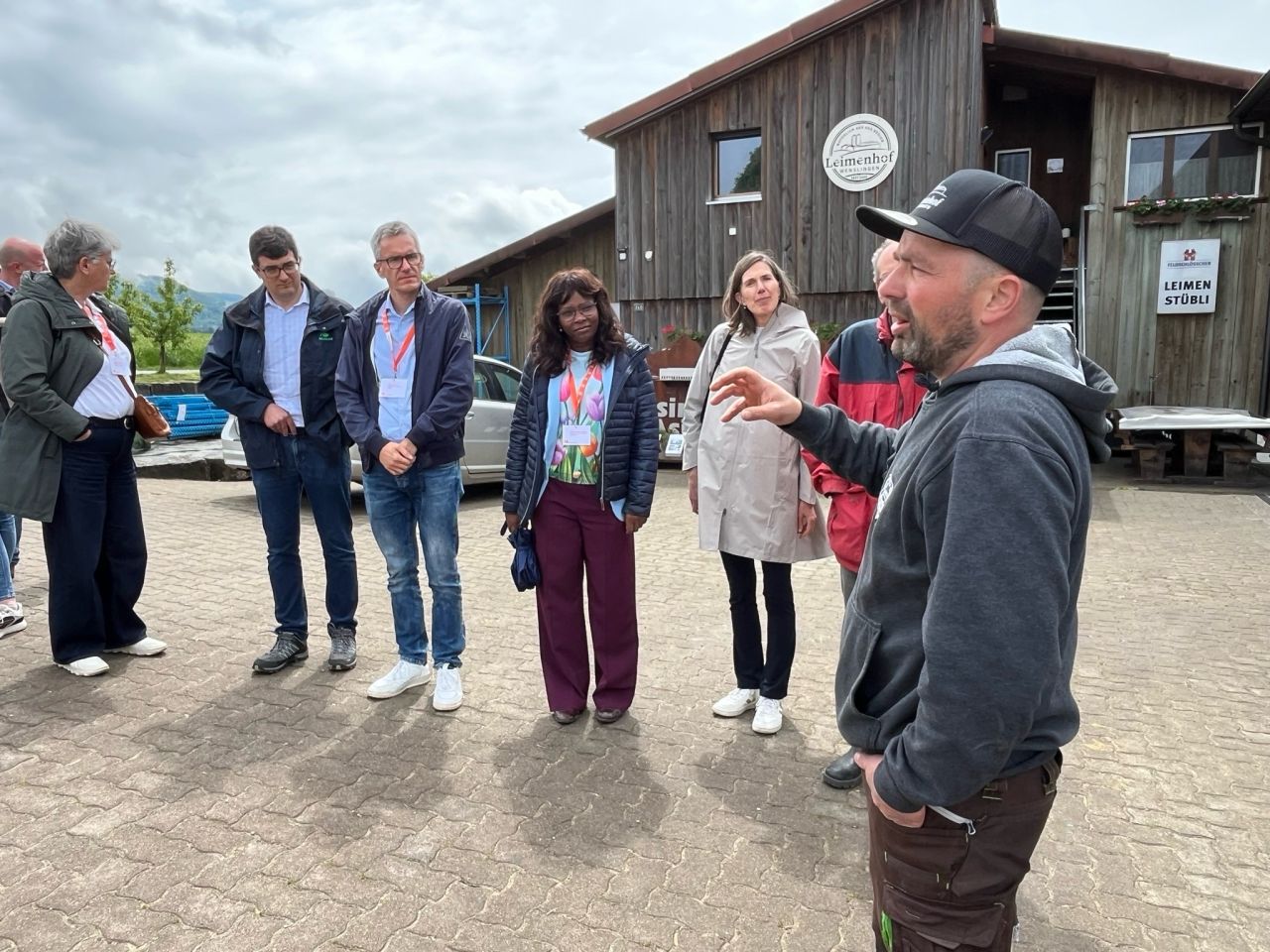
The trip included visits to the Research Institute of Organic Agriculture (FiBL) in Frick (Switzerland), Agroline/Fenaco and a commercial farm in Wenslingen, the Agricultural Technology Centre (LTZ) Augustenberg at a demonstration farm in Mannheim-Sandhofen, BASF Agricultural Solutions in Limburgerhof, RIFCON GmbH in Hirschberg, and the JKI site in Dossenheim.
In Dossenheim, the participants gained insights into research activities on microbial antagonists, biological control methods, and their integration into cropping systems during a tour of laboratories, greenhouses, and experimental facilities. The focus was on the challenges and opportunities associated with a stronger adoption of biological control methods in agricultural practice.
In a joint final session, the participants discussed perspectives for future cooperation between research, industry, policy, and agricultural practice. The Innovation Mission highlighted the importance of international collaboration for advancing sustainable and resilient plant protection strategies.
In einer gemeinsamen Abschlusssitzung diskutierten die Teilnehmenden Perspektiven für zukünftige Kooperationen zwischen Forschung, Wirtschaft, Politik und landwirtschaftlicher Praxis. Die Innovationsmission verdeutlichte die Bedeutung internationaler Zusammenarbeit für die Weiterentwicklung nachhaltiger und resilienter Pflanzenschutzstrategien.
Veröffentlicht am